

News


Sustainability of Dangerous Goods in 2025: A Global and Local Perspective
One of the most significant trends in dangerous goods sustainability is the integration of technology. In Australia, businesses are adopting electric vehicles (EVs) for transporting hazardous materials, thus reducing the carbon footprint associated with diesel powered trucks. These ecofriendly transportation options are part of Australia's broader push toward reducing its greenhouse gas emissions and achieving net zero emissions by 2050. Internationally, countries such as the European Union and the United States are also turning to technology to drive sustainability. The EU’s Green Deal and the Chemical Strategy for Sustainability aim to reduce emissions from the transport of dangerous goods and...


Who is responsible for shipping Dangerous Goods?
Shipping dangerous goods (DG) is a highly regulated process that requires the active involvement of several parties, both in Australia and internationally. These hazardous materials, which can pose risks to health, safety, and the environment, must be transported with care. The responsibility for ensuring their safe shipping is shared among the shipper, carrier, freight forwarder, and regulatory authorities. The Shipper The shipper is ultimately responsible for ensuring the proper handling of dangerous goods. In Australia, this includes complying with the Australian Dangerous Goods Code (ADG Code) and any relevant state or territory legislation. The shipper must classify, package, label, and...

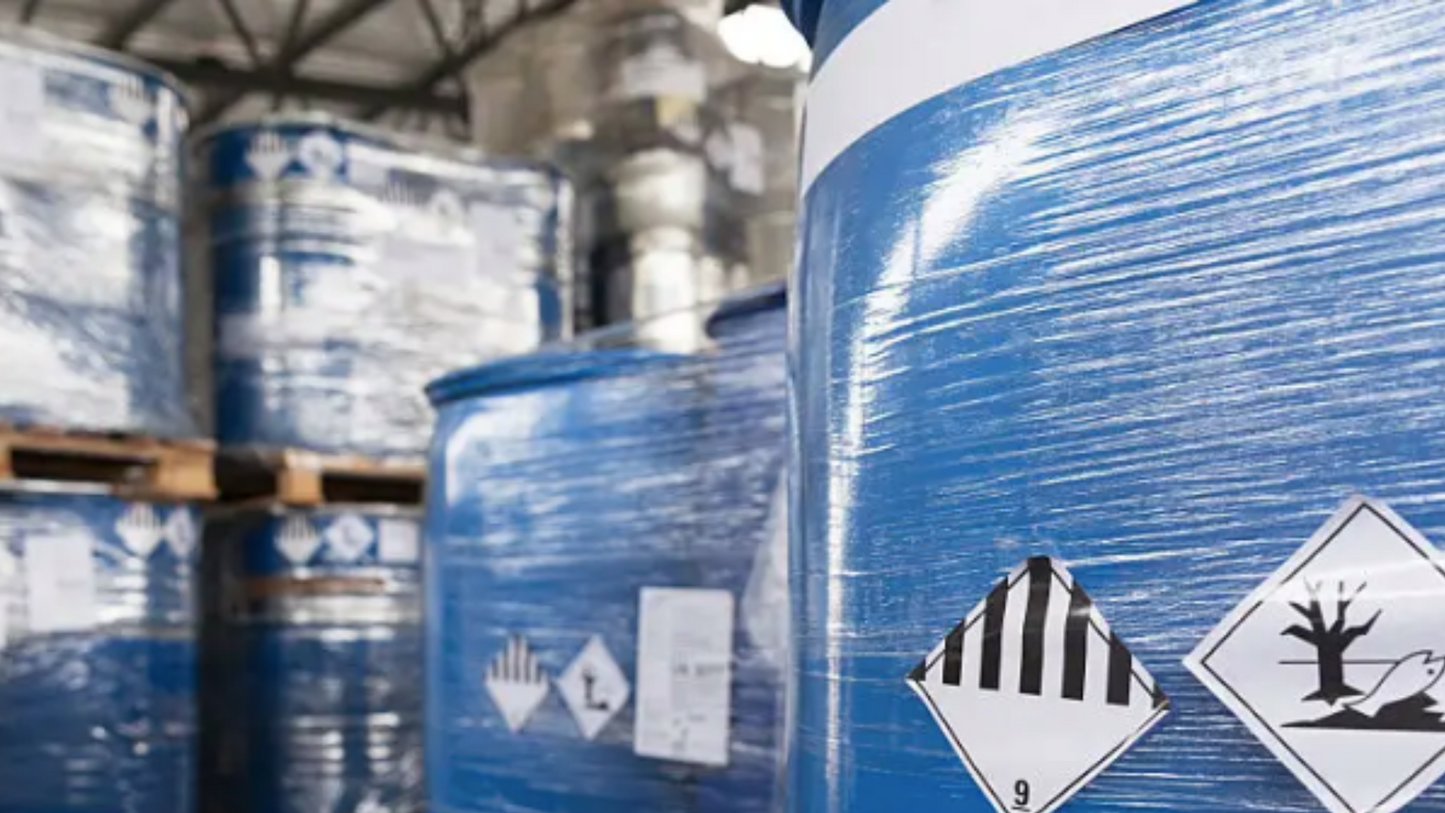
What is a Packing Group in Dangerous Goods?
When transporting hazardous materials, safety is a top priority. Dangerous goods (DG) are substances that can pose significant risks to people, property, and the environment. These materials can be explosive, toxic, flammable, corrosive, or radioactive. To ensure these substances are handled and transported safely, international regulations classify dangerous goods into different categories. One of the key ways dangerous goods are categorised is through Packing Groups (PG), which help define the level of risk a substance presents during transportation. In this blog post, we’ll explain what packing groups are, how they’re determined, and why they’re so important for safely transporting hazardous materials....


Addendum 1 to the 66th Edition (2025) of the IATA Dangerous Goods Regulations
Important Update for DG Shippers and Freight Forwarders
IATA has released Addendum 1 to the 66th Edition (2025) of the IATA Dangerous Goods Regulations, effective 30 April 2025.
Make sure you review the changes carefully to avoid shipment delays or rejections due to non-compliance.
Stay informed. Stay compliant.
📄 Download the IATA DGR Addendum 1 (PDF):Click to download